

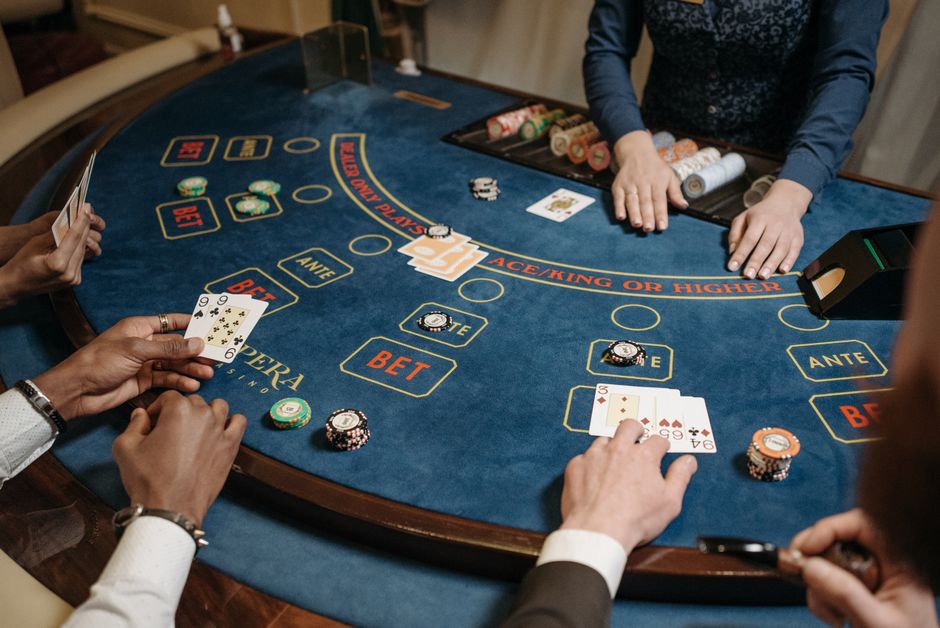
You sit down at a glowing slot machine, hit spin, and watch the reels blur. Two minutes later, you're at a poker table, staring down a guy in a hoodie who just three-bet your raise. Same casino floor, two completely different worlds. If you've ever wondered why some players swear by slots while others grind poker tournaments for twelve hours straight, the answer isn't just about luck. It's about psychology, math, and what you actually want from a gambling session. Let's break down what separates these games—and how to pick the one that fits your style.
Slots: The Art of Surrender (and Why That's Not Insulting)
Slots are the most honest game in the house. You put money in, you press a button, and a random number generator decides your fate. There's no bluffing, no reading opponents, no 'feel' for the deck. In 2023, the global slot machine market was valued at over $8 billion, and for good reason: they're simple, fast, and offer the fantasy of a life-changing jackpot for a dollar or two.
But here's the catch—slots have a house edge that typically ranges from 2% to 15%, depending on the machine and jurisdiction. That edge never changes. A 95% RTP slot returns $0.95 for every $1 wagered over millions of spins. In the short term, anything can happen. You might hit a 5,000x multiplier on your third spin. Or you might lose 200 spins in a row. That volatility is the point.
Concrete tip: If you play slots, treat them as entertainment, not an investment. Set a loss limit before you sit down—say, $50—and walk away when it's gone. The worst mistake is chasing a bonus round that 'feels due.' It's not. RNGs have no memory.
Poker: Where Skill Actually Changes the Math
Poker is the only casino game where long-term winners exist. Not because they're luckier, but because they make better decisions. In Texas Hold'em, the house takes a rake (typically 5-10% of the pot, capped at $5 or so), but your edge comes from exploiting other players' mistakes. That's a fundamentally different dynamic.
Consider this: a professional poker player might win 5 big blinds per 100 hands over thousands of hands. That's a razor-thin margin. But it compounds. Meanwhile, a bad player who calls too much and bluffs at the wrong time loses at -10 big blinds per 100. The skill gap is real, and it's measurable.
If you're new to poker, start with fixed-limit games or low-stakes no-limit ($0.01/$0.02 blinds online). Learn position, pot odds, and hand ranges. Don't try to bluff a calling station. And for the love of all things holy, don't play drunk.
The Psychology of Betting: Why You Choose One Over the Other
Slots and poker attract different personalities. Slots players often seek escapism—bright lights, catchy sounds, and the dopamine hit of a near-miss. Poker players tend to be competitive, analytical, and patient. Neither is better, but knowing which you are saves you money and heartache. If this is new to you, สล็อต is a sensible next read.
- Slots: Fast feedback, zero social pressure, high variance. Best for short sessions when you want to zone out.
- Poker: Slow feedback (you might fold 80% of hands), social dynamics, lower variance but higher skill ceiling. Best when you're focused and have hours to play.
- Sports betting: A hybrid—you can research teams and trends, but the bookmaker's margin (vig) eats into your edge. A 4% vig means you need to win 52.4% of bets just to break even.
A common trap: players who are good at poker assume they can beat slots. They can't. The math doesn't work that way. Conversely, slot players who jump into a $2/$5 poker game because they 'feel lucky' usually donate their stack within an hour.
Bankroll Management: The Unsexy Skill That Separates Winners from Busts
No matter which game you play, bankroll management is non-negotiable. Here's a rough framework:
- Slots: Only play with disposable income. A single session shouldn't exceed 5% of your monthly entertainment budget. Never use credit cards or ATM withdrawals you'll regret.
- Poker cash games: Keep at least 20 buy-ins for no-limit. If you play $1/$2 with a $200 buy-in, you need $4,000 dedicated to poker. That sounds steep, but it protects you from normal downswings.
- Tournaments: 50-100 buy-ins for multi-table tournaments, because variance is brutal. A 20% ROI player can lose 30 tournaments in a row.
- Sports betting: Flat-bet 1-2% of your bankroll per wager. Never chase losses with a parlay.
Also, track everything. A simple spreadsheet with date, game, stakes, and result will reveal leaks you didn't know you had. Most losing players aren't unlucky—they're undisciplined.
Slot Volatility and RTP: What the Numbers Actually Mean
Two slots can have the same 96% RTP but feel completely different. That's because of volatility. A low-volatility slot pays small amounts often—think 2x to 10x your bet. A high-volatility slot pays rarely but can hit 10,000x or more. If you have a $100 bankroll and play a high-volatility slot at $1 per spin, you might lose it all in 15 minutes. The same bankroll on a low-volatility slot could last two hours.
Check the game's paytable before you spin. Look for the max win and the hit frequency (often listed in the info screen). Some slots have hit frequencies as low as 15%, meaning 85% of spins lose. Others hit 40% of the time. Neither is 'better'—it depends on whether you want a grind or a lottery ticket.
Poker has its own volatility, of course. A 100,000-hand sample might show a 10 buy-in downswing even for a winning player. But because you control the decisions, you can adjust. You can't adjust a slot's RNG.
The Social Dimension: Alone vs. Against Others
Slots are solitary. Even in a packed casino, you're in your own bubble. Poker is inherently social—you're competing against real people, reading their body language, and engaging in psychological warfare. Some players love the banter; others find it exhausting.
Online poker adds another layer: anonymity. You can't see your opponent's shaking hands, but you can use tracking software to analyze their stats. That's a double-edged sword. HUDs (heads-up displays) give regs a massive edge, but they also make the game less fun for casuals. Many sites now ban them for that reason.
If you're a social player, live poker or casino table games like blackjack might suit you better than slots. If you're an introvert who just wants to unwind, slots or online betting on a laptop is perfectly fine. There's no wrong answer—only the wrong game for your mood.
Final Thought: Pick Your Poison, But Know the Poison
The biggest lie in iGaming is that any game can be 'beaten' with a system. Slots can't. Sports betting can't (not consistently, unless you're a sharp with proprietary models). Poker can, but only if you outwork and outthink your opponents. The rest is entertainment—and there's nothing wrong with that, as long as you go in with open eyes.
So next time you're on the casino floor, ask yourself: do I want to surrender to chance, or do I want to fight for an edge? Answer honestly, and you'll enjoy the ride a lot more. And remember, the house always has a plan. Your job is to have a better one.


Comments